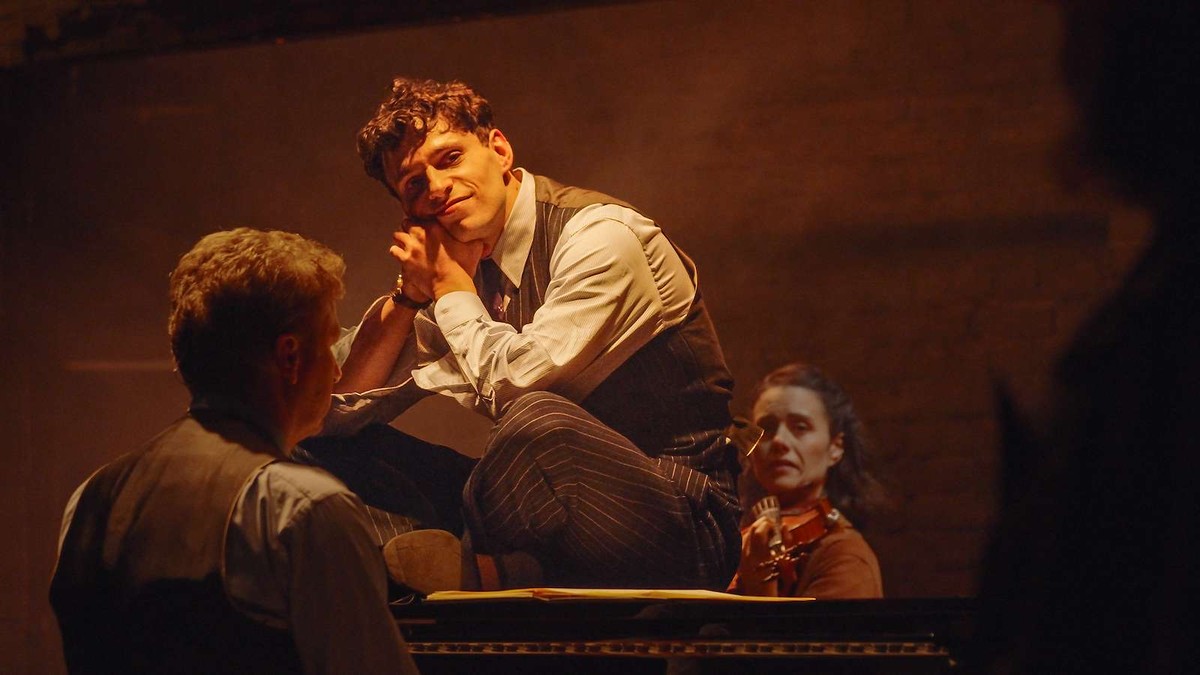
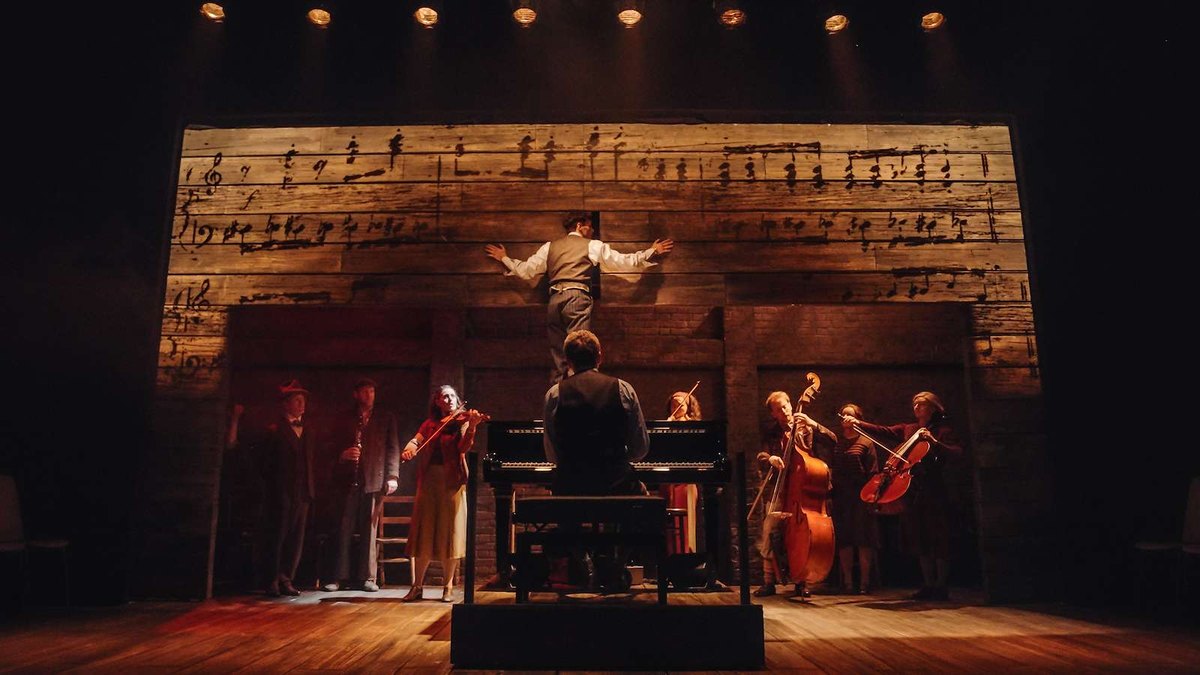
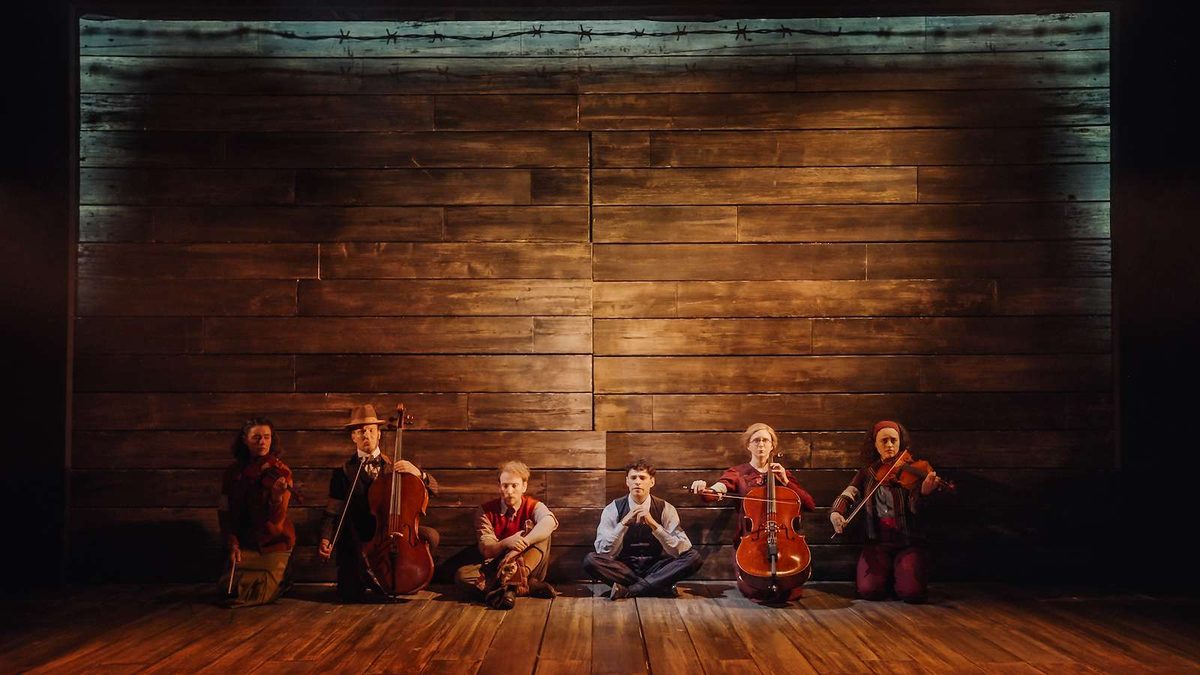
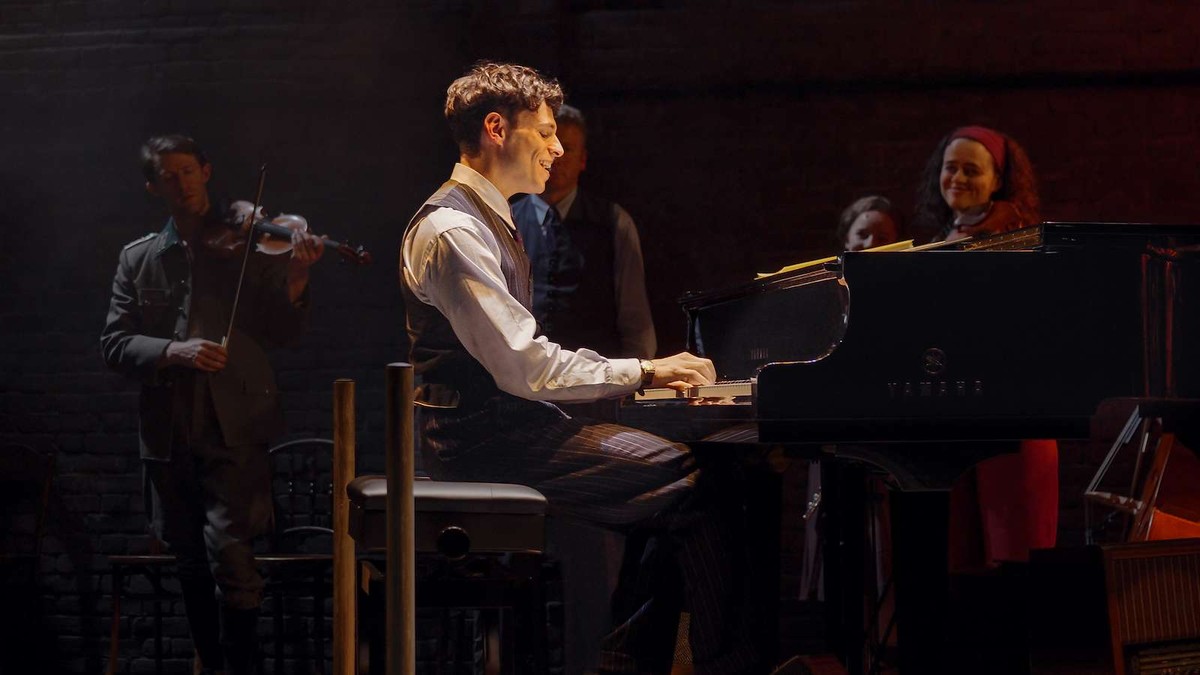
The reviews are in for The Pianist, Thom Southerland’s stage version of Wladyslaw Szpilman’s memoir of surviving Nazi-occupied Warsaw, which opened at the Park Theatre on 22 October after a short run at Southampton’s Mayflower Studios. The story is told through Szpilman’s own compositions, played by a company of actor-musicians around a grand piano, with Daniel Krikler as the composer and Malcolm Forbes-Peckham at the keyboard. The critics are close to united on the music and divided on almost everything else: the independent reviewers came away deeply moved, two of them describing tears in the house, while the larger outlets found a respectful, handsomely played evening that too often tells where it should show.
3.5 / 5 from 11 criticsThe verdict: thirteen notices so far, eleven of them rated: two five-star, three at four stars, five at three stars and one two-star, which averages 3.5 out of 5. Jewish News and Strand Magazine publish no rating. Most of the critics hear Szpilman’s own music as the evening’s great asset, The Standard being the exception, and most single out Daniel Krikler’s Szpilman, though BroadwayWorld finds him emotionally flat. Where they part company is the storytelling: Musical Theatre Review, Theatre South East and The Spy in the Stalls are moved by its restraint, while WhatsOnStage, LondonTheatre.co.uk and The Arts Desk all feel it narrates where it should dramatise, and BroadwayWorld calls it static.
What are critics saying about The Pianist?
Musical Theatre Review
Reviewer: Ian Bowkett
“The Pianist is an astounding work that will stick with its audience long after their journey home.”
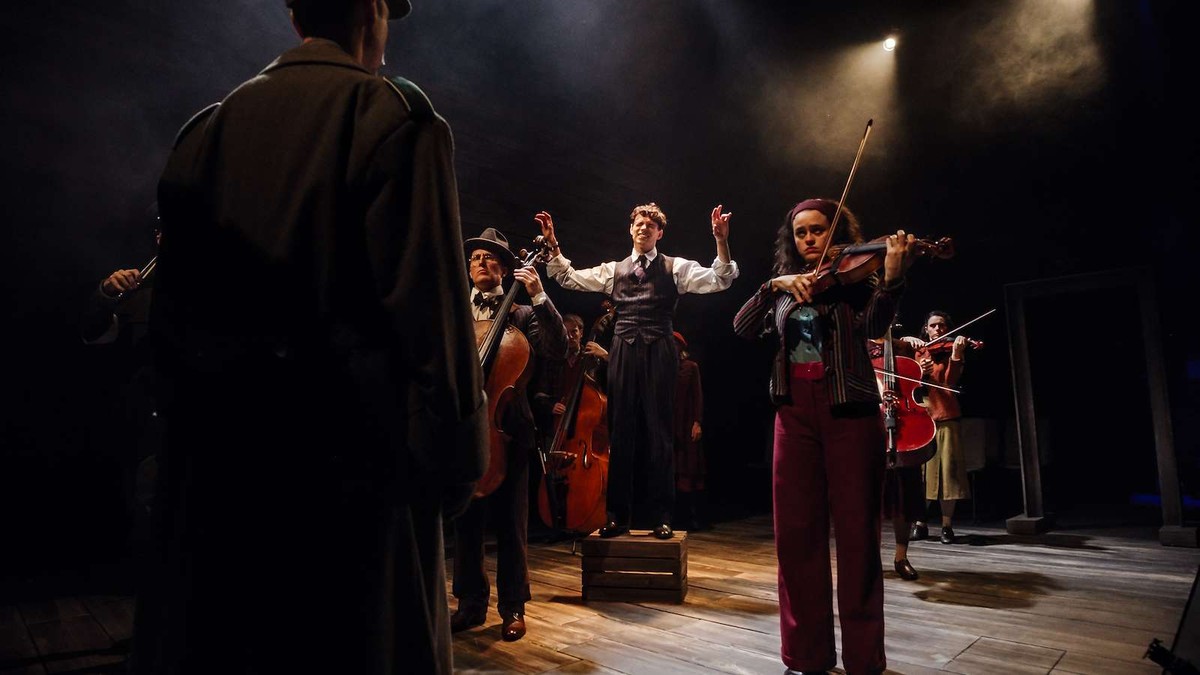
The most enthusiastic notice of the batch. Bowkett calls Daniel Krikler’s Szpilman a superb, carefully balanced performance and credits Simon Lee’s arrangements for the acoustic sound of the twelve-strong company. The review picks out Rosalind Ford’s “Someday We Will Love Again” as the song most likely to outlive the show, and reports a tearful standing ovation.
Theatre South East
Reviewer: Helena Featherstone
“It is a haunting piece of theatre that stays with you long after you leave the auditorium”
Featherstone describes Krikler’s performance as quietly devastating, a narrator who never leaves the stage and keeps the audience with him throughout. The actor-musician format is, in this reading, the production’s great strength, and the moment Szpilman finally sits at the keys himself brings the story full circle.
Read Helena Featherstone’s full review at Theatre South East
West End Best Friend
“A story of survival, loss and family, beautifully told with the power of music and its enduring effect.”
Reviewer: Alexandra Tullah
“The musicianship is brilliant, the ensemble works beautifully together, and the production effectively brings a familiar and important story to the stage.”
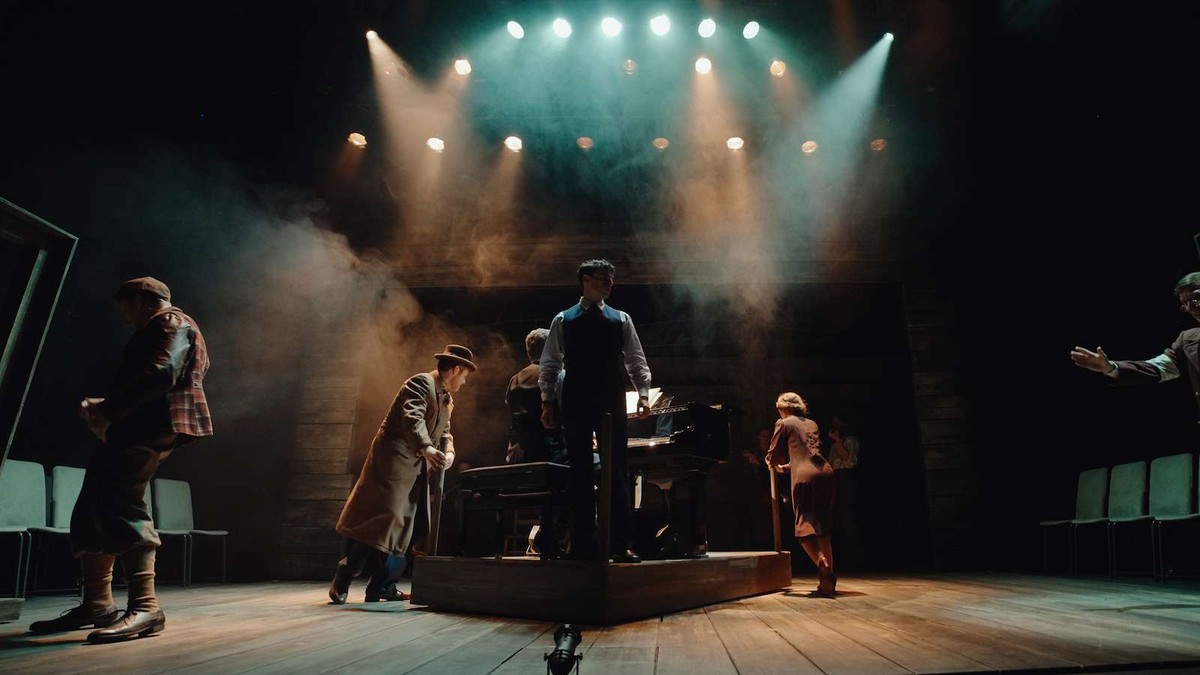
Tullah admires the way the music is woven into the storytelling and the claustrophobia of the three-sided staging. The reservations are that the split between Krikler and the onstage pianist loosens the bond between Szpilman and his instrument, and that the production holds back from the full brutality of the story.
The Spy in the Stalls
Reviewer: Jonathan Evans
“A tale that is quite exquisitely told in this musical, even though it does occasionally dip into sentimentality.”
Evans calls the piece a beautifully understated chronicle rather than a retread of the film, and enjoys the 1930s pastiches and the “Life of the Machines” instrumentals. The first-act closer “Without You” strikes the review as misjudged against the deportation it accompanies, and Evans warns that the beauty of the music occasionally risks eclipsing the horror.
Theatre and Tonic
Reviewer: Ziwen
“More than a conventional musical, it feels like a piece of history carved into a work of art.”
For this reviewer, music is the soul of the production, and having Forbes-Peckham play while Krikler stands beside him is an ingenious way of showing a man silenced by war. A stronger connection between the two performers, the review suggests, would make Szpilman’s final return to the piano more moving still.
The Standard
“Not entirely convincing musical of Oscar-winning film”
Reviewer: Nick Curtis
“But in the central role, Krikler has a fascinating, other-worldly manner…”
Curtis arrived doubting that the subject and the form could meet, and calls the result a qualified success. The songs lack coherence and the secondary characters are thinly drawn, in this view, but the notice finds the split between actor and pianist works, and that the scene in which the family is taken away lands with real force.
WhatsOnStage
Reviewer: Alun Hood
“Holding it all together in a performance of subtle intensity and brooding melancholy is Krikler as Szpilman himself.”
Hood finds the production effective and affecting but too inclined to recite the book, which blunts the force of the story. When it hits its stride in the darker scenes it has real danger, and Hood praises Lee’s orchestrations along with Rosalind Ford, Nitai Levi and Oliver Grant in the company.
LondonTheatre.co.uk
“This affecting show pays tribute to an extraordinary Polish Jewish musician”
Reviewer: Julia Rank
“It is clear that a huge amount of love has been invested in this production.”
Rank enjoys the close-knit family the ensemble creates and singles out Rosalind Ford’s two songs, but finds the storytelling too reliant on description and not as confronting as its subject deserves. Krikler, Rank notes, is given a fixedly passive protagonist, and the review would like the staging to go up an octave in attack.
The Arts Desk
“A loving recreation of Wladyslaw Szpilman’s musical legacy”
Reviewer: Helen Hawkins
“It’s a project lovingly done, and with great potential, but it needs turbocharging, possibly with more experienced actors.”
Hawkins accepts that a small stage can only describe what the film could show, and thinks the first act spends too long moving instruments around the mobile piano. The second act is where the theme of music as a force for kindness comes through, crowned by Forbes-Peckham’s Chopin nocturne.
BroadwayWorld
“This musical adaptation of Władysław Szpilman’s autobiography is nothing to write home about.”
Reviewer: Cindy Marcolina
“The bottom line is, regrettably, this is all a bit boring.”
The severest verdict. Marcolina finds the central role so passive that the evening has no tension, and the direction static. Marcolina calls Szpilman’s score undeniably beautiful but thinks the lyrics laid over it are banal and the songs do little to move the action on.
Jewish News
“Extraordinary revival of story of loss, memory and survival is destined to be a hit”
Reviewer: Jenni Frazer
“Krikler doesn’t just play Szpilman, he inhabits him.”
Frazer describes a press-night audience leaving in shock, and credits Southerland with bringing the music to the fore in a way Szpilman could only have hoped for. Frazer would have liked a stronger sense of Szpilman’s Jewish identity in the first act, and finds his late encounter with the German officer all the more extraordinary for it.
Strand Magazine
Reviewer: Daniela Denyer Malo
“There was not a dry eye in the house at the press night of The Pianist at Park Theatre.”
Denyer Malo writes less about the staging than about what the story means now, praising the honesty of the cast and the live music. Denyer Malo also commends the Park Theatre’s accessibility provision, and urges readers to go and to talk about it afterwards.
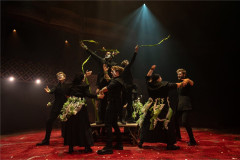
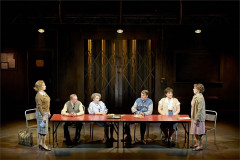
Production photographs by Anthony Leary-White.
Also reviewed by: The Stage (Dave Fargnoli, three stars, “Tender musical tribute to a wartime survivor”), whose review sits behind a paywall.
For more on this production, see our first look at the production images from The Pianist, and for the latest critical verdicts from London, our roundups of Acosta Danza: Cuban Baroque at Sadler’s Wells and The Banality of Evil at the Arcola Theatre.
The Pianist is booking at the Park Theatre until Saturday 28 November 2026.