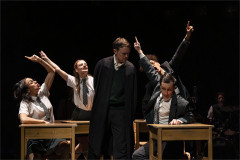
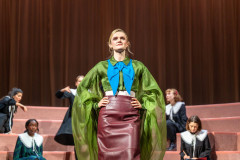
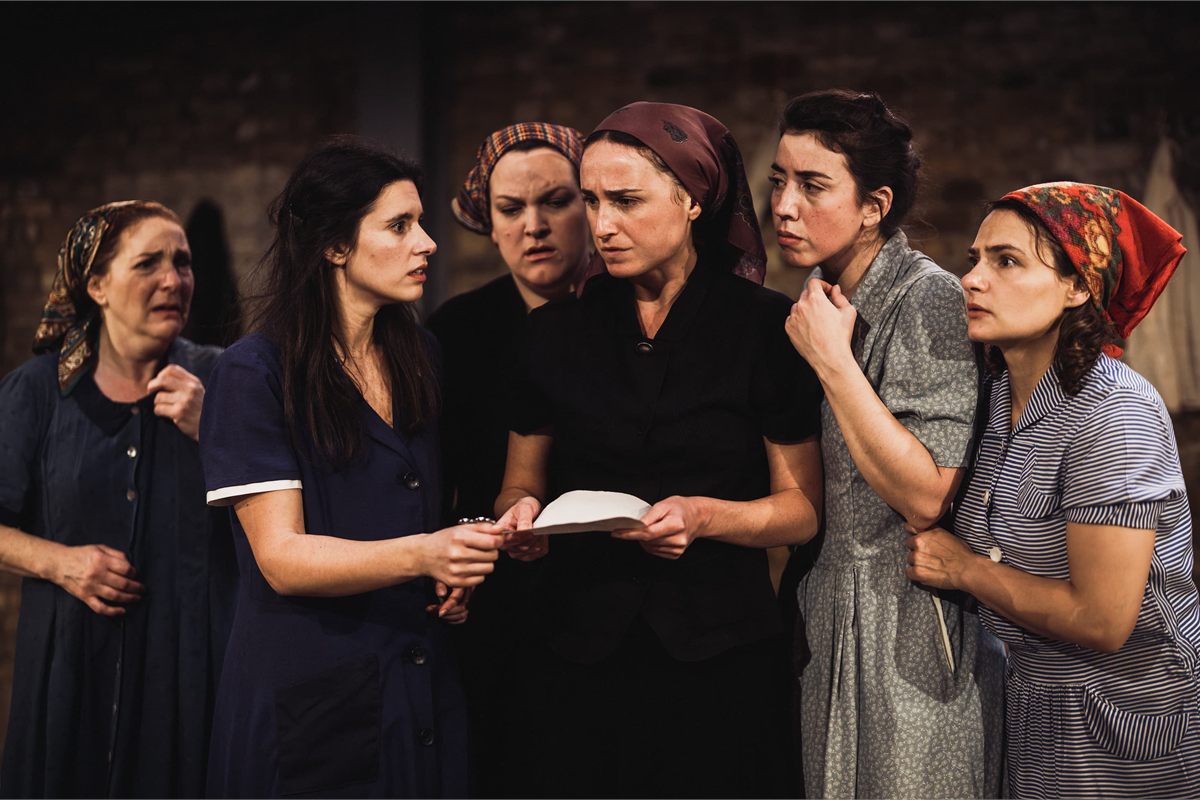
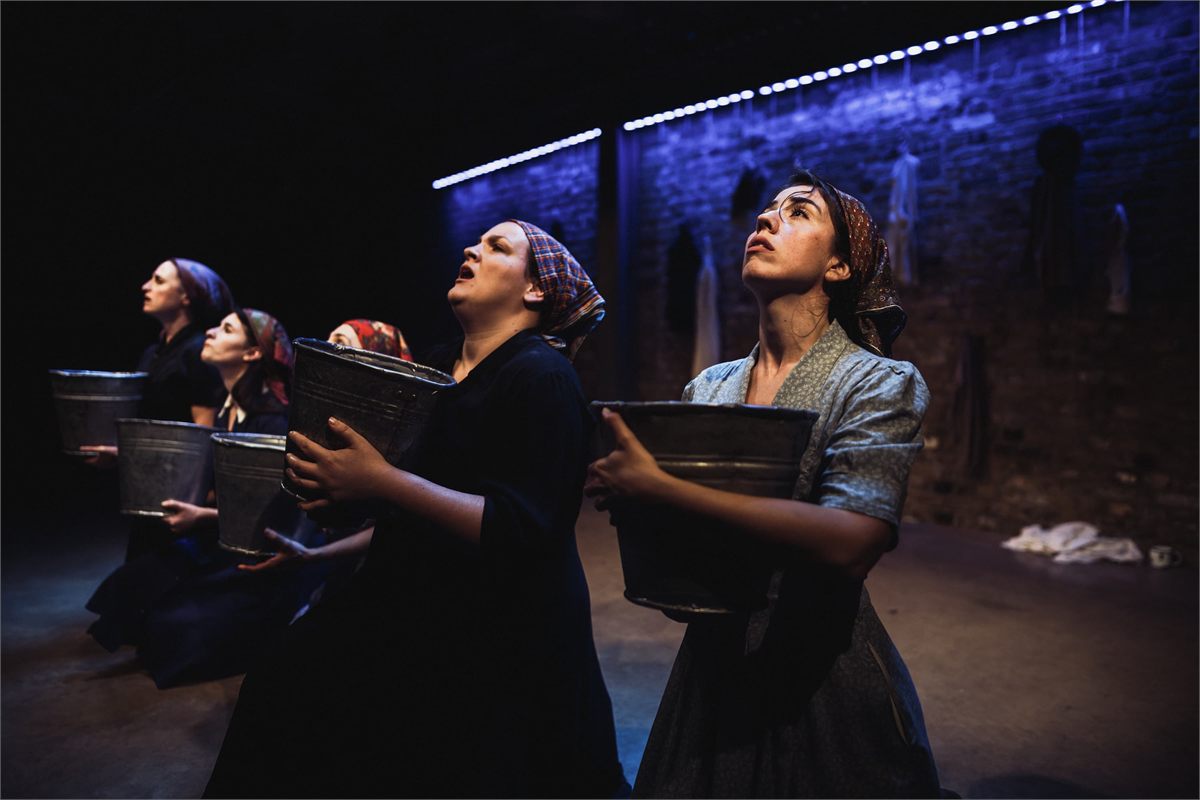
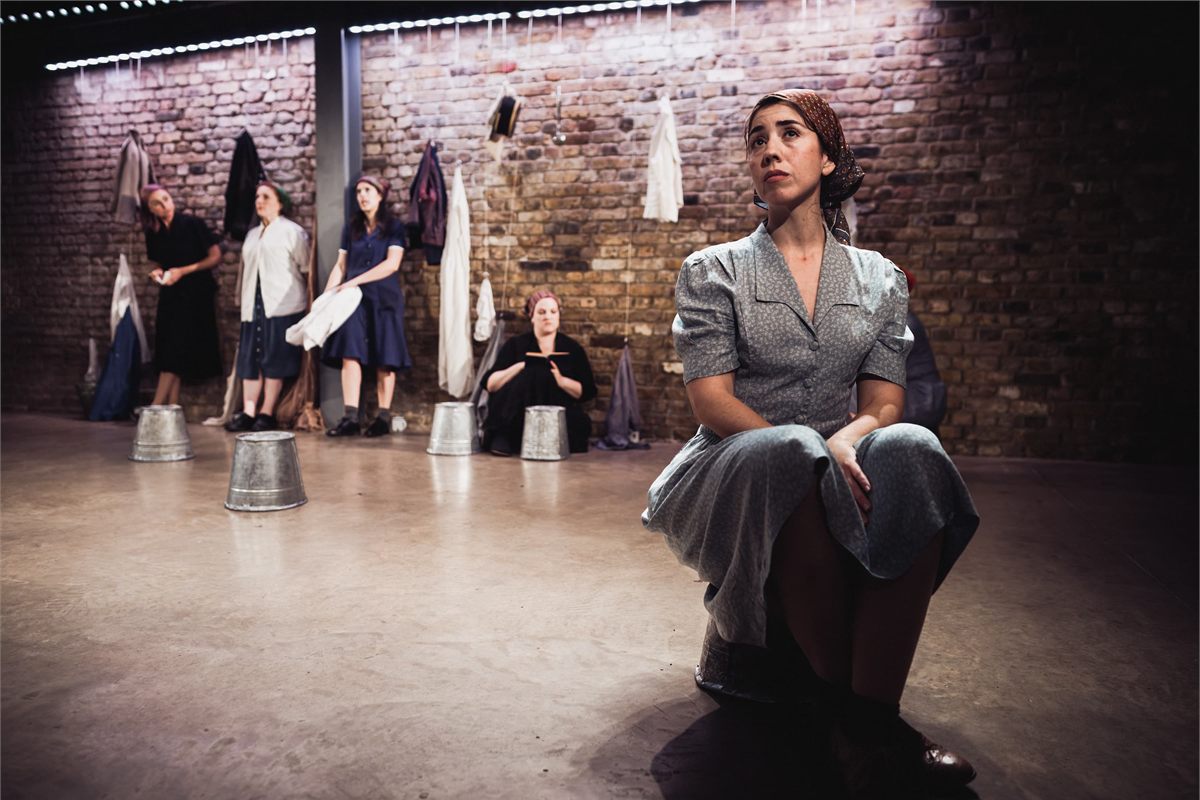
 Reviews are in for The Banality of Evil: Hannah Arendt, France, 1940, Julia Pascal’s new play at the Arcola Theatre about the German Jewish women held at Camp Gurs in May 1940, among them the political theorist Hannah Arendt (Mai Weisz), the artist Charlotte Salomon (Anna Eckhard) and the schoolgirl communist Eva Daube (Ariella Barnett). The critics are close to unanimous about the cast, with Anja Fahlenkamp’s singing a recurring highlight, but they part company over the staging: Pascal’s numbered, announced scenes strike some as admirably clear-eyed and others as a barrier between the audience and the women’s ordeal.
The verdict: nine reviews in so far: three four-star notices, three at three stars and two at two, plus one outlet that prints no rating. Among the eight that score, the average is just over 3 out of 5. The critics agree on the six-strong company and its singing; what splits them is Julia Pascal’s Brechtian distance, which some find clarifying and others find keeps the women at arm’s length.
What are critics saying about The Banality of Evil: Hannah Arendt, France, 1940?
The Spy in the Stalls
"beautiful physical moments and thought-provoking themes"
Reviewer: Nasia Ntalla
Ntalla finds the strongest work in the company itself, singling out Mai Weisz’s quick, vivid Arendt and a memorable turn from Anja Fahlenkamp, and she credits the physical theatre and props with some of the evening’s loveliest images.
"…its beautiful physical moments and thought-provoking themes make it a production worth seeing."
Her one reservation is pace: the scenes move on before the richest arguments between the women can deepen, and she would have liked longer with them.
London Pub Theatres
"Serious theatre, well researched, beautifully performed and choreographed."
Reviewer: David Weir
Weir admires how thoroughly Julia Pascal has researched life in the camp, and reads the announced, numbered scenes as a deliberate Brechtian choice that keeps the piece serious.
"It strikes, perhaps as a result of its alienating theatrical structure, more at the intellect than the emotions."
He counts that as no great loss given the times, though he regrets that the fate of Trude, the thief and former sex worker among the prisoners, is simply dropped at the end.
Theatre and Tonic
Reviewer: Bronagh
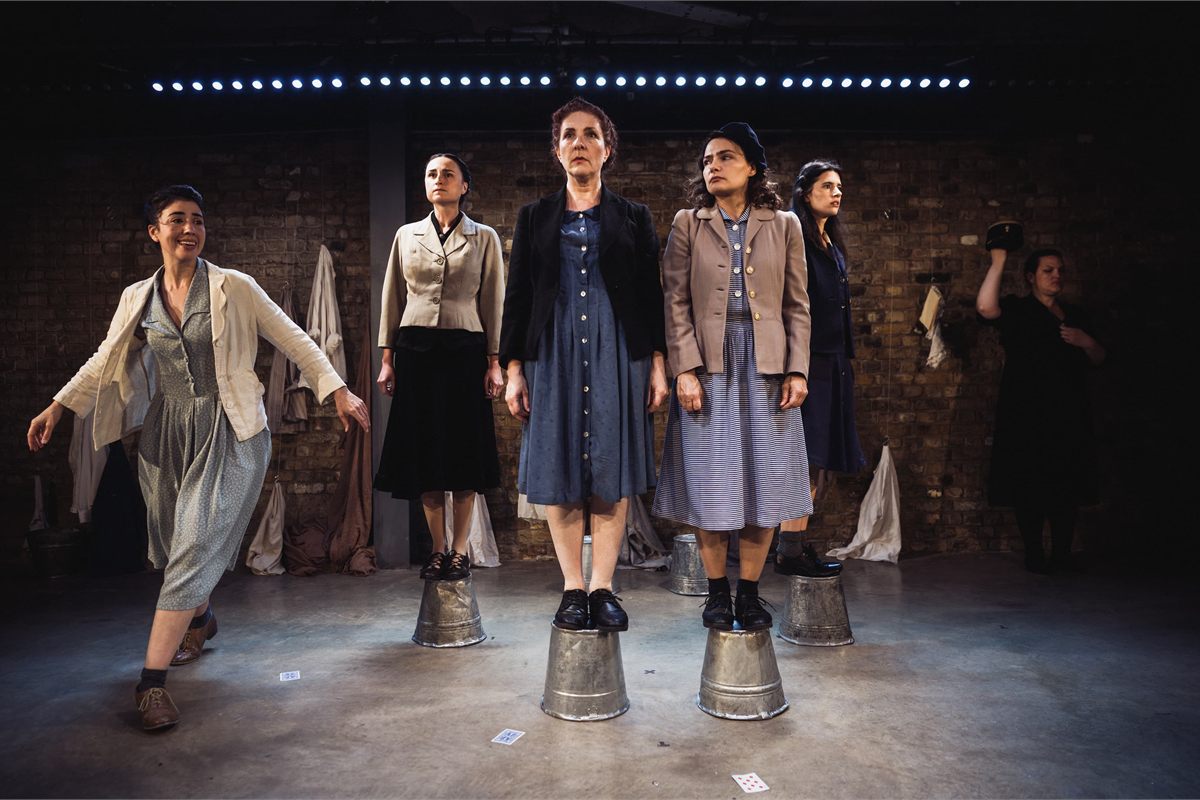
For Theatre and Tonic the surprise is how lively ninety minutes in an internment camp turn out to be: short, punchy scenes, music and dry wit from Arendt keep the energy high.
"The cast are all magnificent in their portrayals of the women."
The review picks out Fahlenkamp’s operatic voice and argues that a play restoring these women’s stories arrives at exactly the right moment.
BroadwayWorld
"Doktor Arendt's ideas have never been more needed here than they are right now"
Reviewer: Gary Naylor
Naylor praises Weisz for giving Arendt real authority and enjoys Anna Eckhard’s Charlotte Salomon and Ariella Barnett’s naive young communist, but finds the Brechtian approach leaves most of the women as types rather than people.
"…its relevance in London, right now, could hardly be greater."
He also thinks a long mock trial late on stalls the story. Even so, he ends by tying the play directly to current British arguments about deporting asylum seekers.
The Reviews Hub
"Anything but banal"
Reviewer: Daniel Spicer-Cusack
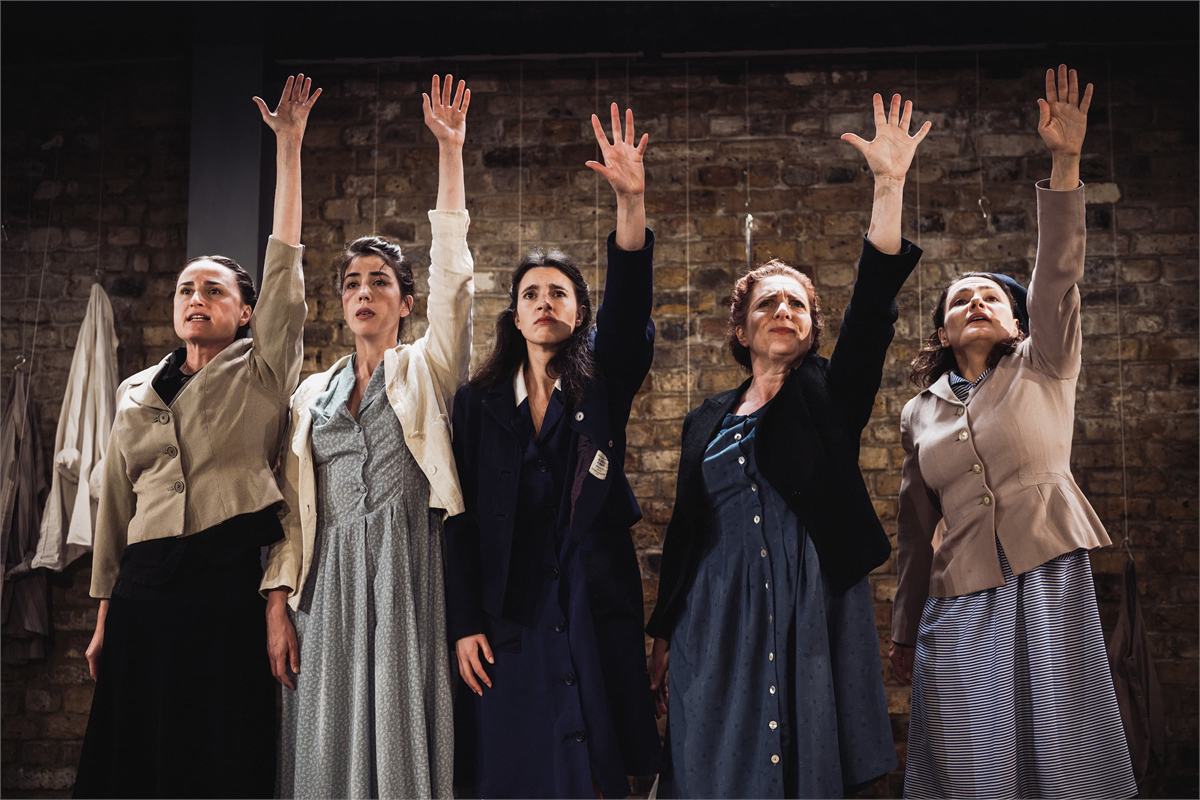
Spicer-Cusack calls the script plainly well researched and mostly nuanced, brave enough to take on Arendt’s complicated view of Zionism, and thinks the Brechtian framing wisely stops the evening becoming unbearable.
"…it is fearlessly feminist, and it does not flinch from those painful, shameful years."
Against that, he finds the songs uneven despite excellent singing, feels the ending flattens Eva’s politics, and says the free-associative passages tip into pretension.
LondonTheatre1
Reviewer: Alan Fitter
Fitter rates all six performers highly, harmonies included, and likes Lesley Lightfoot’s period costumes, but finds that the episodic, deliberately distanced structure keeps cutting away just as an emotional connection forms.
"Ultimately, this is a play that leaves you thinking more than feeling."
His conclusion is that the piece is worthwhile but reads more like a prompt to go and read about its subject than a fully satisfying drama.
A Young(ish) Perspective
Reviewer: Ke Meng
The most critical notice so far. Meng argues that the production does little with Arendt’s actual thinking on the banality of evil, and that Arendt, Salomon and Eva are never established firmly enough for the play’s big questions to land.
"…it feels like a mash-up driven at a relentlessly tight pace with little breathing space…"
The Brechtian devices, in this reading, are Brechtian in form only.
New Statesman
"Julia Pascal’s play reaffirms the oppression of Jewish refugees, but isn’t sure what its message should be"
Reviewer: Rachel Cunliffe
Cunliffe calls it bold to tell a newly uncovered Holocaust story through experimental theatre, and sets out the mix of monologue, dance, cabaret and close-harmony singing that Pascal uses over 90 minutes.
"Humour and horror are intertwined, morality examined and reinterpreted, deliverance and despair held up as one another’s mirrors."
Only the opening of the review is free to read and the magazine prints no star rating, but its headline line suggests she found the play unsure of its message.
Also reviewed by: The Stage (Dave Fargnoli, two stars, "Distancing effect robs the play of energy"), whose review sits behind a registration wall.
More from this week’s openings: the critics have also had their say on Fences at the Lyric Hammersmith, Nina at Battersea Arts Centre and King Lear at the Royal Exchange.
The Banality of Evil: Hannah Arendt, France, 1940 runs in Studio 2 at the Arcola Theatre in Dalston until 7 November 2026.