
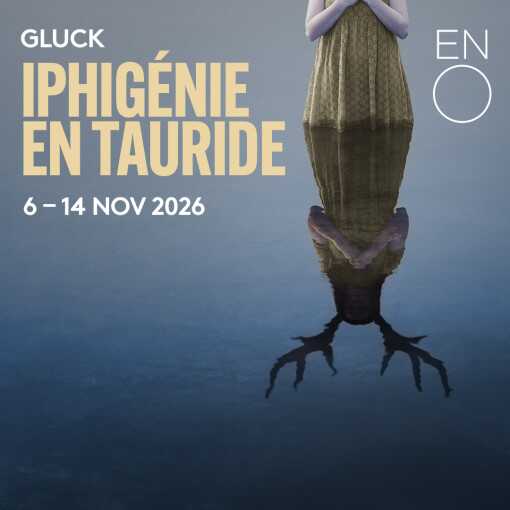
Iphigenie en Tauride - English National Opera
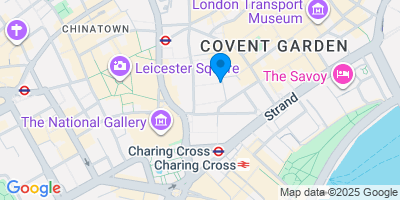
London Coliseum
- Opens: Friday, 6 November 2026 -
Booking until: Saturday, 14 November 2026 - Running time: 2hr 20min. Incl. 1 interval.
Iphigenie en Tauride - English National Opera description
There's a rare treat in store from ENO – don't miss your chance to see Iphigenie en Tauride.
In Iphigenie en Tauride we meet a troubled family divided by destiny. Luckily they're reunited by hope in Christoph Willibald Gluck's 1700s opera, making its ENO debut with fresh new staging from the dazzling Olivier award-winner director Lyndsey Turner. Expect a grand operatic masterpiece and you won't be disappointed, presented live at the magnificent London Coliseum.
We meet Iphigénie and her brother Oreste from a Greek dynasty soaked in blood and violence. Life has always been this way for the family, as far back as anyone can recall. Iphigénie travels to a faraway temple on an island at the end of the earth, enslaved by an evil ruler, while her brother balances on the edge of madness. She thinks he's dead, and he thinks she's dead. Iphigenie dreams of home, of being reunited with Oreste. If she didn't have hope she'd fall into despair. When a stranger washes up on the island and tells the tale of the family's collapse, is there more to him than meets the eye?
This rarely-staged masterpiece is probably Gluck's most important work. ENO performs it in the original French from a libretto by Nicolas-François Guillard, and English surtitles projected above the stage mean everyone knows what's going on.
The singer and baroque specialist David Bates is on his ENO debut playing Tauride, and Christine Rice leads the cast as Iphigénie. Oreste is played by Jacques Imbrailo.
Buy Iphigenie en Tauride tickets to see something rare and precious, from a composer whose work resonates through time from the 1700s to the present, just as powerful as ever.
Playing at London Coliseum
Age restrictions
Ages 15+.
Important information
Performed in French with English surtitles projected above the stage.
This opera includes depictions of violence, murder, suicide and torture.